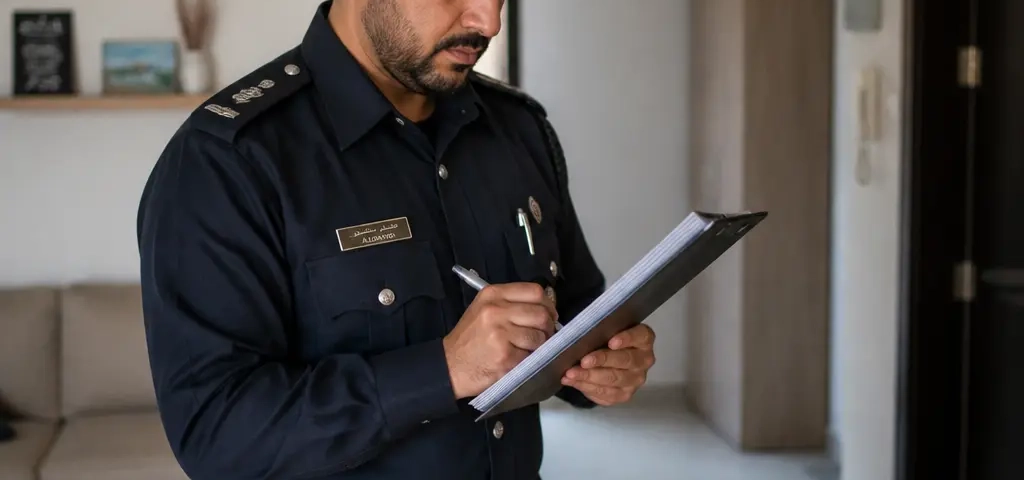
Property Handover Checklist Oman: How to Manage Snagging and Defects
A careful property handover checklist in Oman separates visible snagging from the legal transfer of ownership. Before accepting keys, document every defect, confirm the agreed rectification process and keep handover paperwork aligned with the sale contract, VAT treatment and registration costs.
For an overseas buyer, handover day is not simply a key collection appointment. It is the point at which the unit’s condition, the developer’s outstanding obligations and the buyer’s payment trail need to match the contract. Oman’s official sale-contract registration service has six steps, while the registration cost for foreign buyers is 3% of the property value. Those are transaction matters, not a substitute for inspecting the apartment itself.
Separate snagging from legal completion
Snagging is the practical inspection of a newly completed home before or at handover. The purpose is to identify workmanship issues, missing items and systems that do not perform as specified. A defects list is then used to record those findings in a form that can be followed through with the developer or contractor.
Legal completion is different. It covers the sale contract, agreed payment status, ownership registration and the title deed process. Foreign nationals may purchase land only within Integrated Tourism Complexes, and non-Omani buyers use the dedicated sale-for-non-Omanis process when registering a sale contract. Keep the two tracks separate: a clean inspection does not replace registration, and a registered transaction does not prove that every finish has been checked.
For a home in a master-planned setting, allow enough time to inspect both the private unit and the areas that directly affect it: allocated parking, storage if included, access routes, balconies, terrace drainage and common-entry controls. This approach is relevant whether you are considering Marriott Residences or a villa collection such as Fairway Villas.
For foreign buyers, Oman’s property-registration charge is 3% of the property value. Beyond that charge, expect minor fixed fees for document processing and the title deed; confirm the current schedule with the Ministry of Housing and Urban Planning.
Build a defects list that can be actioned
Inspect room by room
Use a consistent route through the property. Start at the entrance, then inspect each room, wet area, kitchen, balcony and utility space. Check walls and ceilings under natural and artificial light; open every door, window and cabinet; test locks, hinges, sockets, switches and visible drainage points. Photograph each issue from a wide angle and close range, then give it a clear reference number.
A useful snagging report records five things for each item: location, description, photo reference, date and required action. “Scratch on bedroom wall” is weak. “Primary bedroom, wall opposite window, 20 cm scratch beside socket, repaint required” is specific enough to verify at a follow-up inspection.
Test systems, not only finishes
Cosmetic defects matter, but operational checks often carry more weight after move-in. Run taps long enough to observe drainage, flush toilets, test hot water, operate air-conditioning controls and check extractor fans. Ask which systems are under building management, which are inside the unit and which manuals, warranties or access cards should be handed over.
The 2025 Oman Building Code provides for inspection and testing records to identify work that does not conform to approved construction documents, with discrepancies brought forward for correction. A buyer’s snagging inspection is not the same as a statutory construction inspection, but it follows the same sensible principle: record the exact discrepancy and require a traceable response.
Read the contract before signing the handover form
Bring the signed sale and purchase agreement, specifications, floor plan, variation approvals and payment receipts. The checks start earlier, on the drawing itself — see property floor plan analysis. Compare the delivered unit with the documents rather than relying on memory from a showroom visit. Confirm the unit number, parking allocation, storage allocation where applicable, built-in appliances, finishes and any agreed extras.
Ask the developer to identify the procedure and timeline for rectification in writing. The contract is the controlling document for notice periods, handover conditions, retention arrangements if any, and the treatment of unresolved defects. Do not assume that a standard defects list changes those terms.
VAT also deserves a separate line-item check. The first supply of residential real estate in Oman is subject to 5% VAT, while the resale of residential property is exempt. Request invoices that make the contractual price, VAT amount and any non-property charges easy to distinguish. This is particularly important for buyers assessing an off-plan purchase alongside a future resale strategy.
Use a two-visit approach when possible
A typical buyer planning to live in Muscat benefits from two visits at different times of day more than from a hurried single walkthrough. Daylight exposes uneven paint, glazing marks and tile defects; a later visit helps test lighting, air-conditioning noise and access arrangements. If travel is difficult, appoint an independent inspector and require a dated photo and video record.
On the first visit, identify defects without trying to negotiate every minor issue on the spot. On the second visit, compare each numbered item with the original report and mark it as resolved, partly resolved or outstanding. Keep the developer’s responses, screenshots and emails in one file. This gives you a usable record if a promised correction remains incomplete.
For buyers focused on larger homes, the same discipline applies to outdoor areas. At Trump Cliff Villas, for example, inspect exterior finishes, drainage falls, gates and external lighting alongside the interior handover checklist.
Know what you are accepting
Signing a handover form should reflect the actual condition of the unit and the status of your defects list. If the developer asks you to sign with outstanding items, make sure the document or an attached schedule identifies them clearly and states the agreed next step. Keep signed copies of every page.
Do not confuse the developer’s handover confirmation with the title deed. Oman’s official registration route lists identity documents, the title deed, cadastral plan and powers of attorney where relevant. Both buyer and seller must be at least 18 years old. Your legal adviser or authorised representative should confirm the documents required for your particular transaction.
Our practical view is straightforward: inspect carefully, document precisely and sign only after you understand what remains outstanding. A short delay to clarify a defect or invoice is usually easier to manage than a vague obligation after you have taken possession.
Related reading: how ownership registration works after handover, which contract clauses govern handover conditions, how payments are protected during construction, and checks to run on a developer before reserving.
Once handover is accepted, the next budget line is the interior: see our guide to villa furnishing cost in Oman.
Time the freight to the handover date — see how moving household goods and pets to Oman fits the schedule.
Planning to let the unit after handover? Our landlord calendar for Muscat shows when to launch a long-term let.
- Ministry of Housing and Urban Planning
- Tax Authority
- Oman Building Code
This article is general information, not legal, tax or engineering advice. Contract terms, handover documents and ownership-registration requirements should be reviewed for the specific property.
Looking to buy property in Oman? Explore our freehold residences →
Property Handover Checklist Oman: FAQ
What is snagging during a property handover in Oman?
Snagging is the inspection of a newly completed property to identify defects, missing items and systems that do not perform as agreed. Record each issue by location, description, photo reference and required action.
Should I sign the handover form if there are defects?
Only sign after checking what the form says about unresolved issues. If defects remain, ensure they are listed in a written schedule with clear follow-up actions and retain signed copies.
Is VAT charged on a new residential property in Oman?
Yes. The first supply of residential real estate is subject to 5% VAT in Oman. The resale of a residential property is exempt from VAT, so invoices should clearly distinguish the transaction type and VAT amount.
What registration costs apply to foreign property buyers in Oman?
Foreign buyers pay a registration charge of 3% of the property value. Minor fixed fees for document processing also apply; confirm the current amounts with the Ministry of Housing and Urban Planning before completion.
Can a foreign buyer register property ownership anywhere in Oman?
Foreign nationals may purchase land only within Integrated Tourism Complexes. The exact ownership structure and registration documents should be confirmed for the individual property and transaction.