Property Amenities Value in Oman: What Adds Value Beyond Marketing
Property amenities value in Oman depends less on a long facilities list than on daily usability, operating scale and recurring cost. In 2025, Oman recorded 5.1 million hotel guests, up 16.6% year on year, reinforcing demand for coastal and leisure-led communities—but buyers should still separate an active amenity ecosystem from a brochure promise.
Oman’s hospitality market offers a useful reality check for residential buyers. The country recorded 5.1 million hotel guests in 2025, while 3–5-star hotels reported 56.7% occupancy and OMR 297.3 million in total revenue. These figures do not automatically translate into residential price growth, but they show why well-operated coastal leisure infrastructure can matter to an owner, tenant and future resale buyer.
Value starts with access, not the amenity label
A beach club, marina or golf course adds value when residents can use it easily and consistently. A feature that requires a long drive, a separate membership with unclear terms, or limited opening hours may still look attractive in marketing materials, but it has weaker practical value at resale.
Use frequency is the first filter
We recommend treating amenities as part of the property’s weekly routine. A shaded walking trail, direct beach access or a nearby fitness facility can influence daily convenience. By contrast, a photogenic lounge that is used twice a year rarely changes the buyer’s long-term decision.
Al Mouj Muscat provides a useful benchmark for scale. Its official materials describe an 18-hole Greg Norman-designed golf course, a 400-berth marina, 6 km of waterfront and community beach, more than 80 retail and dining experiences, 18 parks and 30 km of cycling trails. The point is not that every project needs the same list; it is that a connected amenity network is more durable than one isolated facility.
In Oman, an amenity carries more weight when it is supported by several everyday uses. At Al Mouj Muscat, the 400-berth marina sits alongside 80+ retail and dining venues, 18 parks and 30 km of cycling routes rather than operating as a standalone attraction.
Which amenities can support property value in Oman
The strongest amenities usually solve a clear lifestyle or location problem: access to the sea, a walkable public realm, recreation in hot weather, or an organised social setting. Their value is more defensible when the operator, maintenance standard and access rules are clear before purchase.
Beach clubs: valuable when the shoreline is usable
A beach club can improve the appeal of a coastal home if it provides maintained beach access, shade, food and beverage service, changing facilities and predictable resident privileges. It is especially relevant for buyers comparing a standard sea-view unit with a home that provides a usable waterfront routine, a distinction explored further in our guide to beachfront villas in Oman.
However, buyers should ask whether beach access is private, resident-priority or open to the wider public; whether entry is included in service charges; and how the club operates outside peak tourism months. Oman has 3,165 km of coastline, so “near the beach” alone is not a scarcity argument. Managed access and practical comfort are the differentiators.
Marinas: stronger when they create an active district
A marina is often more valuable as an address-making element than as a boating facility. It can concentrate cafés, restaurants, promenade traffic and events, helping a mixed-use district stay active beyond holiday periods. For an owner focused on rental liquidity or resale strategy, that wider ecosystem matters more than a marina view alone.
Check the berth count, retail occupancy, public access and the walking distance from the residence. A 400-berth marina has a different operating profile from a small decorative basin, as a comparison of marina living at Jebel Sifah shows, but even a large marina should be assessed alongside parking, noise exposure and ongoing management costs.
Golf: a niche amenity with a broad visual premium
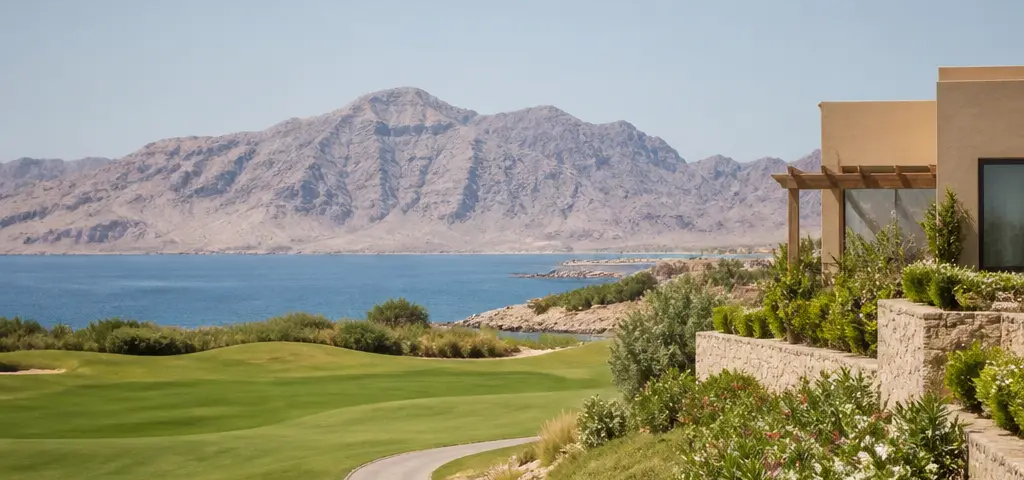
Golf is not equally important to every buyer, yet it can support a premium when it delivers open views, lower-density surroundings and an established landscape. The strongest case is usually for homes with a direct fairway relationship rather than properties that merely sit within a golf-branded master plan. Buyers weighing specific locations can compare golf view apartments in Muscat on the same basis.
For buyers who value golf-led living, Trump Golf Villas illustrate how a named golf component can form part of the purchase rationale. The decision should still include practical questions: membership conditions, tee-time access, irrigation quality, maintenance responsibility and the annual cost of ownership.
Trails, parks and views often matter more than headline facilities
Walking routes and landscaped open space do not have the theatrical appeal of a marina, but they can improve how a community functions every day. This is particularly relevant in Muscat, where heat, terrain and car dependence shape how often residents actually move through a neighbourhood on foot.
Trails need shade, continuity and a destination
A trail has genuine residential value when it is continuous, well-lit, maintained and linked to places residents already use: a café, park, beach, school or retail area. A short landscaped path without shade or a useful destination is primarily visual infrastructure.
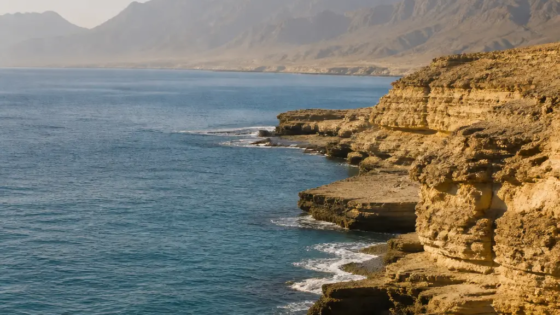
At AIDA in Yiti, the master plan covers more than 4.5 million m² and sits on cliffs around 130 m above sea level. That terrain can create meaningful outlooks and walking experiences, but buyers should inspect gradients, internal transport and the route from their specific home to shared facilities. For a cliffside purchase, the daily journey matters as much as the panoramic view.
Do not treat a future amenity as current value. Before paying a premium, confirm whether the facility is operational, who will manage it, what access is included and whether the service-charge budget covers its upkeep.
How to distinguish an investable amenity from marketing
A practical due-diligence review should focus on evidence, not lifestyle renders. Oman had 1,475 hotels in 2025, and hotel-sector revenue reached OMR 359 million, up 22.3% from 2024. This growing visitor economy supports the logic of professionally managed leisure destinations, but a residential investment still depends on the specific unit, ownership costs and buyer pool.
Ask four operational questions
- Is it open now? If not, request the contractual delivery position and the developer’s operating plan.
- Who manages it? A recognised operator or clearly identified community manager is more meaningful than a generic “clubhouse” description.
- What does access cost? Separate membership fees, guest charges and service charges can alter the real cost of ownership.
- Does it serve more than one buyer profile? Trails, parks, beach access and dining usually appeal to families, expatriates and second-home owners; a single-purpose facility has a narrower audience.
In practice, a buyer planning to live in Muscat benefits more from two site visits at different times of day than from the most detailed presentation. Test traffic, shade, parking, wind exposure and the actual walk to facilities. An investor should run the same test through the lens of a future tenant or resale buyer.
Who should prioritise which amenities
AIDA combines a cliffside Yiti setting with a large-scale master plan developed by DarGlobal and OMRAN, with Trump Golf and Marriott among the project brands. Buyers considering Aida Oceana Villas should assess each home’s actual relationship to shared amenities rather than assuming every unit receives the same benefit. For elevated coastal positioning, Trump Cliff Villas are best evaluated through outlook, access route, built area and the full ownership budget.
Our assessment is straightforward: amenities create value when they are operational, accessible, maintained and relevant to several buyer groups. A marina, beach club or golf course can strengthen positioning, but trails, parks, shade and an active mixed-use environment often do more to support everyday demand.
The outlook itself works like an amenity — see whether a sea view or a mountain view holds value better in Muscat.
- National Centre for Statistics and Information
- Al Mouj Muscat
- OMRAN Group
Information is provided for general market guidance and is not investment, legal or tax advice. Confirm amenity access, operating terms, service charges and contractual specifications for the specific property before committing.
Interested in Oman real estate investment? Download the Aida Oceana project brochure →
Property Amenities Value in Oman: FAQ
Do beach clubs increase property value in Oman?
They can support value when beach access is maintained, usable year-round and covered by clear resident access terms. A beach club without practical access or a defined operating model is mainly a marketing feature.
Are marina properties in Muscat a good investment?
A marina can strengthen an address when it supports active retail, dining, walkability and waterfront use. Buyers should review berth capacity, public access, noise, parking and service costs rather than relying on the marina view alone.
Does living near a golf course add value in Oman?
Golf can add appeal through open views, landscaping and a lower-density setting. The strongest case is usually a direct fairway relationship combined with clear membership and maintenance arrangements.
Which amenities matter most for resale in Oman?
Features with broad everyday appeal tend to be more resilient: maintained beach access, walkable shaded routes, parks, retail, dining, parking and reliable community management.
What should I check before paying a premium for amenities?
Confirm whether the amenity is open, who operates it, what resident access includes, whether separate fees apply and how maintenance costs are funded through the service-charge structure.